Grasping Dementia Care:Key details You Should Know
Comprehending dementia care is paramount for both patients and support providers. Recognizing the preliminary symptoms, such as memory loss and language difficulties, can result in timely intervention. Multiple categories of dementia, including Alzheimer's and vascular dementia, introduce specific hurdles. A empowering setting and effective care strategies can significantly enhance quality of life. Still, emotional challenges and legal considerations complicate the caregiving journey. How can methods promise holistic support while managing these difficulties?
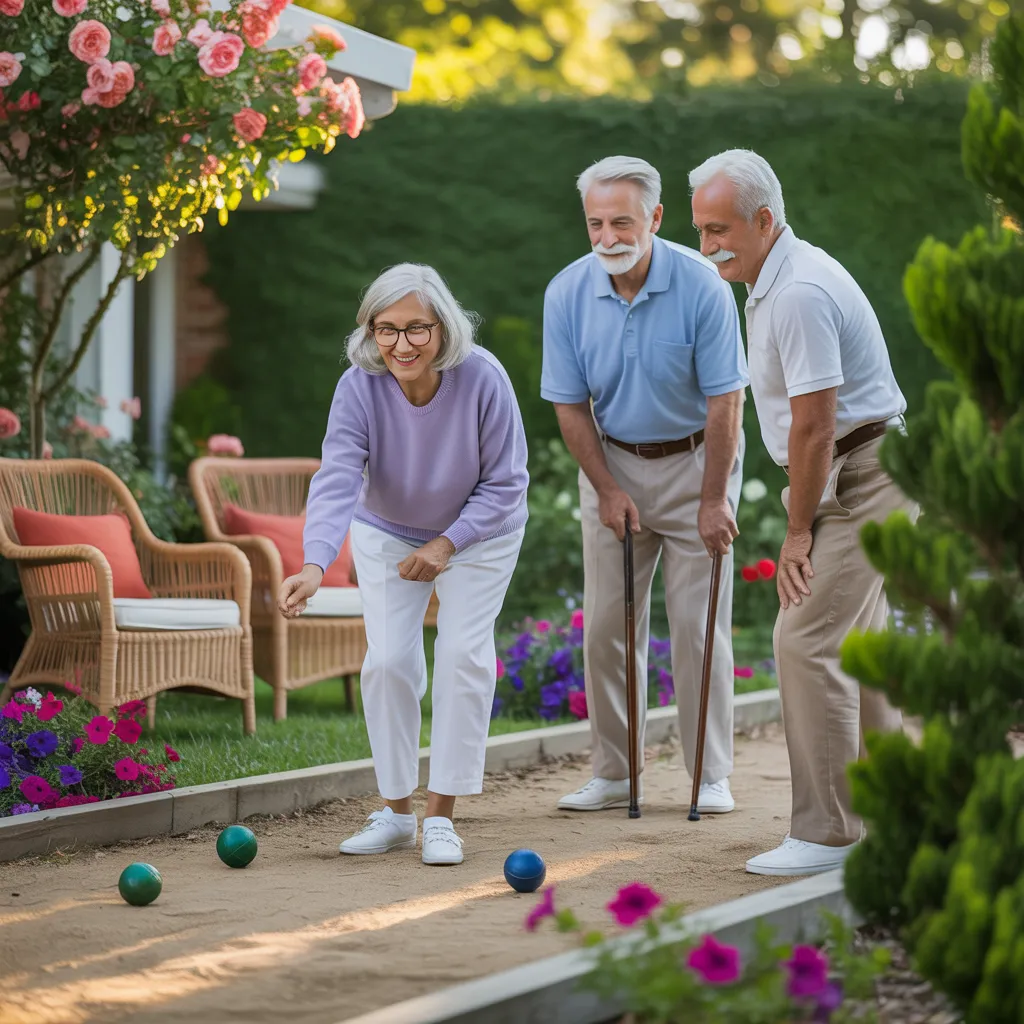
Detecting the Initial Red Flags of Dementia
How does one spot the first symptoms of dementia? Identifying the initial indicators is vital for timely intervention. Common symptoms encompass memory loss, especially forgetting recent events or conversations. People may also face difficulty in planning or organizing tasks, causing confusion in daily activities. Changes in language skills, like having difficulty to find the correct copyright or follow conversations, often appear.
In addition, an individual might exhibit changes in temperament or behavior, ranging from increased irritability to social withdrawal. Difficulty in recognizing familiar places or faces can also surface. These symptoms may be subtle at first, but their development can markedly impact daily living. Awareness of these early symptoms allows for appropriate discussions with healthcare providers, facilitating early assessments and potential support options. Understanding these signs is essential for both the individual and their family in maneuvering the complexities of dementia care.
What Are the Multiple Varieties of Dementia?
Grasping the early indicators of dementia is simply the first step of navigating the complexities of the disorder. Dementia is an all-encompassing term that covers several types, each with distinct features and origins. Alzheimer’s disease is the most common form, marked by gradual memory loss and cognitive decline. Vascular dementia is second, often due to strokes, resulting in reduced reasoning and judgment. Lewy body dementia presents with attention fluctuations, visual hallucinations, and motor symptoms like Parkinson’s disease. Frontotemporal dementia affects early individuals, leading to personality and behavioral changes due to brain degeneration in the frontal and temporal lobes. Additional types consist of mixed dementia, which combines features from multiple forms, and normal pressure hydrocephalus, characterized by fluid accumulation in the brain. Grasping these types is crucial for correct diagnosis and care plans, finally improving the quality of life for those affected by dementia.
Constructing a Empathetic Milieu for Dementia Assistance
Developing a supportive space for people with dementia necessitates deliberate reflection of their living spaces and mental needs. Secure surroundings limit hazards and strengthen independence, while learning reinforcement methods can benefit in exchange and retention. Working in harmony, these aspects generate a sense of security and well-being for those living with dementia.
Safe Living Spaces
A carefully crafted living space can substantially increase the quality of life for people with dementia. Building safe residential spaces demands eliminating safety risks and supporting independence. Unnecessary belongings should be cleared away to reduce disorientation and injuries, while unblocked corridors support mobility. Good lighting is vital; well-illuminated areas help individuals navigate their environment more easily and minimize stress. Including familiar items can offer comfort and a sense of home. Also, using different color contrasts on floor and wall surfaces can improve orientation skills. Secure garden areas permit risk-free exploration, encouraging active movement. In conclusion, intentional design choices foster a nurturing atmosphere that promotes independence and enhances everyday living for individuals with dementia.
Memory Improvement Methods
Memory boosting techniques serve an important role in helping individuals with dementia by increasing recall and creating a sense of security. These methods include the use of cognitive aids, such as visual indicators, labels, and photographs, which can assist individuals in exploring their surroundings and bring about memories. Consistency in routines and recognizable environments further supports cognitive function. Engaging in memory-sharing sessions, where individuals share past experiences, also promotes mental stimulation and emotional connection. Additionally, encouraging social interactions can enhance memory recall and minimize feelings of isolation. These techniques not only aid memory but also contribute to general health, helping individuals with dementia maintain a sense of identity and connection to their past. Creating a supportive environment is vital for effective dementia care.
Best Tactics for Offering Effective Dementia Services
Effective care for dementia relies on the adoption of individualized methods and interaction strategies adjusted to individual needs. By prioritizing the wishes and backgrounds of those with cognitive decline, caregivers can foster a more nurturing setting. Furthermore, utilizing transparent and empathetic dialogue can greatly enhance engagement and comprehension.
Person-Centered Care Approaches
Applying person-centered care strategies greatly boosts the quality of life of individuals with dementia. This methodology focuses on the unique wishes, demands, and beliefs of each person, ensuring that care is customized to them. By building a supportive and respectful setting, caregivers can promote autonomy and engagement, enabling individuals to keep a sense of identity. Ways to engage should be aligned with the person's past interests and daily habits, facilitating meaningful interactions and lessening anxiety. Joint decision-making further empowers individuals and their families, strengthening their role in the caregiving task. Providing training to caregivers in these methods is important, as it prepares them with the expertise to respond empathetically and effectively to the changing needs of those with dementia.
Strong Communication Approaches
Clear and empathetic communication is essential in caring for dementia patients, as it greatly impacts the welfare of people dealing with the condition. Effective methods consist of employing straightforward copyright, maintaining eye contact, and speaking at a slow pace to enhance understanding. Non-verbal cues, such as movements and face movements, can also support spoken copyright, providing additional information. It's vital to confirm feelings and experiences, even if they are based on false beliefs, to build confidence and decrease anxiety. Listening actively and giving ample space for answers encourages participation. Additionally, minimizing interruptions in the surroundings can also enhance focus. In summary, employing these approaches promotes a caring atmosphere, enabling people living with dementia to be valued and comprehended, consequently improving their standard of living.
Addressing Emotional Struggles in Dementia Care
Though caregivers typically handle dementia care with sympathy and devotion, they regularly encounter considerable emotional challenges that can impact both their wellness and the quality of care provided. Sense of irritation, melancholy, and loneliness are widespread as care providers manage the intricacies of the disease. The emotional strain can result in exhaustion, limiting their capacity to deliver consistent care.
To address these challenges, caregivers can gain developing ways of coping, such as establishing regular schedules and setting sensible goals. Engaging in wellness activities—like physical workouts, hobbies, or mindful meditation—can assist in maintaining emotional stability. Additionally, fostering open communication with family members and friends allows caregivers to share their burdens, reducing feelings of isolation. Understanding the importance of requesting support when needed is fundamental; caregivers must focus on their psychological well-being to sustain their caregiving roles properly. By addressing these emotional challenges, caregivers can enhance both their quality of life and the care they provide to those with dementia.
Tools and Support for Care attendants
Handling the difficulties of dementia care can be taxing, but numerous resources and support systems are available to assist caregivers. Established institutions, such as the Alzheimer's Association, supply educational materials, helplines, and local support groups that promote connection among caregivers. Online forums and blogs as well offer a platform for sharing experiences and advice, assisting caregivers feel less isolated.
Additionally, respite care services give caregivers breathing room, enabling them to recharge and maintain their well-being. Local centers often facilitate training workshops and educational sessions to arm caregivers with important abilities for managing daily challenges. In addition, many medical professionals can direct caregivers to specialized counseling services meant to address the psychological impact of providing care. By leveraging these resources, caregivers can enhance their expertise, forge collaborative communities, and ultimately strengthen the quality of care they provide, ensuring both their needs and those of their family members are achieved.
Planning for the Tomorrow: Juridical and Monetary Tips
Since caregivers work through the intricacies of assisting loved ones with mental decline, planning for tomorrow stands as a substantial consideration. Financial and legal steps can greatly decrease stress and establish that the requirements of individuals with mental decline are taken care of. Caregivers should examine establishing durable power of attorney documents for health and financial decisions, granting designated individuals to make determinations when necessary. Furthermore, drafting a living will can express preferences regarding healthcare treatment.
It is critical to assess present financial resources and prepare for possible long-term care costs. This may include consulting with financial planners who get details on this specialize in senior care to explore coverage plans or government benefits. Furthermore, organizing vital paperwork, such as wills and medical records, can streamline procedures during crises. By tackling these legal and financial aspects in advance, caregivers can safeguard their loved ones' health and provide a more definitive path ahead amidst the difficulties of dementia.
Often Requested Questions
How Do I Engage More Effectively With Someone Who Has Dementia?
To speak more clearly with someone who has dementia, one should communicate using plain language, establish eye contact, be patient, listen with full attention, and validate their feelings, fostering a supportive environment that encourages understanding and connection.
What Represent the Widespread Incorrect Assumptions About Dementia?
Frequent misunderstandings about dementia include the convictions that it only affects memory, is inescapable with aging, and cannot be addressed. Additionally, many underestimate the emotional impact on individuals and families, often treating dementia as a purely medical condition.
What Influence Does Dementia Have on Interactions With Family and Associates?
Dementia can harm relationships with people in their life, often bringing about lack of understanding, emotional distance, and altered dynamics. Caregivers may be overwhelmed, while family might have trouble relating as communication and recognition decline considerably.
What Actions Should I Implement When Facing a Dementia Crisis?
During a dementia emergency, it is vital to stay calm, ensure secure conditions, and assess the situation. Reach out to medical professionals for guidance, provide reassurance, and maintain a caring atmosphere to help reduce distress for the person.
How Can I Take Care of Myself as a Caregiver?
Caregivers need to highlight personal wellness by setting boundaries, obtaining assistance from loved ones or community resources, participating in consistent exercise, maintaining healthy nutrition, and ensuring space for leisure activities and personal interests to rejuvenate mentally and physically.